The Junior Researcher’s Struggle: From Enthusiasm to Exhaustion
Lack of opportunities and mentorship
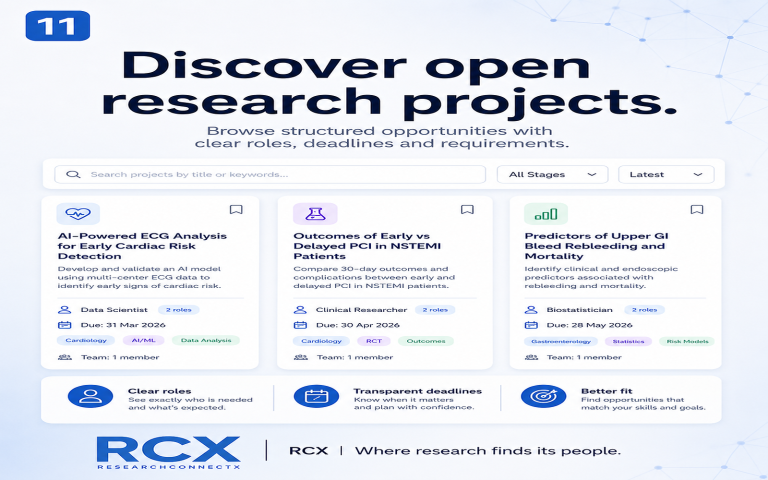
Difficulty joining existing projects
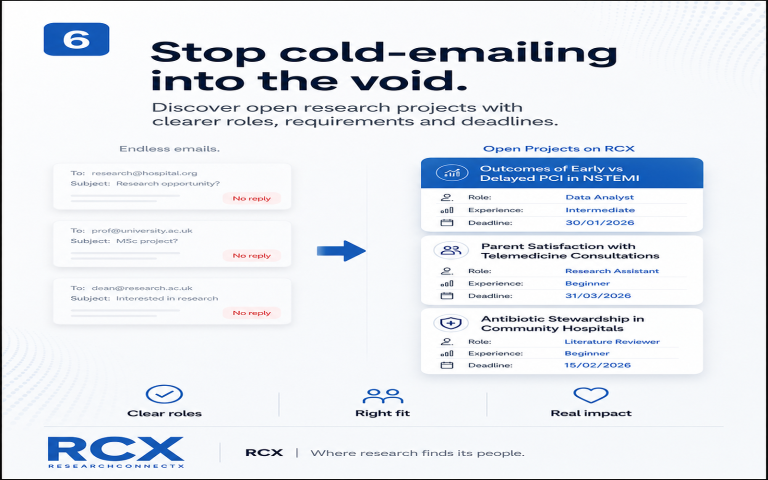
Cold emails and lack of replies
No idea where to start publishing or presenting
Where do you start when no one tells you how?
For many junior researchers, the transition from observer to contributor isn’t straightforward. You want to be involved, but navigating the research ecosystem feels like entering a game where everyone else already knows the rules. Mentorship is often promised but rarely delivered in a meaningful way. Senior academics are busy and the projects you hear about are already midway through or long finished. You send out cold emails, hoping someone will take a chance on your enthusiasm, but most go unanswered. Worse yet, sometimes you’re told “this isn’t a good time” with no offer of a follow-up.
Projects exist, but they seem out of reach
Even when you do find potential opportunities, they’re either oversubscribed, not accepting new team members, or you’re told you don’t have enough experience. It’s an exhausting cycle, and one that makes a lot of early researchers question their place in academia.
Suppose, against the odds, you’ve managed to contribute to a piece of research. You now face the next challenge: publishing. But where? How? The internet is full of guides, but few are specific enough. Your supervisor might say, “Just pick a journal and submit,” as though it’s a matter of intuition. You read journal after journal, only to realise each has different formats, different word limits, different aims and no guarantee of ever replying. You submit, wait months, and often hear only silence. The excitement of finishing a project dissolve into the silence of a void.
Chloe, a 3rd Year Medical Student
She’s spent the last six months helping a registrar with a systematic review on metabolic surgery outcomes. They’ve written it up, edited it together, and she’s even crafted the reference list manually. When it comes time to publish, they hit a wall. The registrar is too busy to help choose a journal, and Aisha has no idea where to begin. She submits to a journal she found on Google. Three months later, it’s rejected. No feedback. No guidance. Just rejection.
What junior researchers need is structure, not just motivation
This isn’t about a lack of willingness. Junior researchers are among the most enthusiastic contributors to the academic ecosystem. But the system often forgets to meet them halfway. There needs to be more structured mentorship. More accessible, transparent pathways to join projects. Tools that help guide publication decisions and resources that don’t assume prior knowledge but build it. Because without that scaffolding, the enthusiasm fades. And the system loses some of its most passionate minds before they even get started.
Enter ResearchConnectX (RCX): A Smarter Path Through the Fog
RCX is designed with the junior researcher in mind. It tackles one of the biggest hurdles with publications. RCX’s AI analyses your paper’s content to recommend journals that are the best match. But it goes beyond just relevance: it includes data on acceptance rates, turnaround times, citation potential, and even formatting tools to make submission easier.
Take Aisha again – this time, she uses RCX. The AI suggests a European journal with a 27-day average review time, highlights a pre-made submission template, and shows that similar articles in her field have a 22% acceptance rate. She submits with confidence. Within a month, she has a peer-reviewed reply and guidance for revisions. Exhaustion turns into momentum.
RCX doesn’t just make recommendations; it empowers early-career researchers to make informed, strategic decisions. Instead of months of trial and error, you get clarity quick. Think of it as academic navigation software for a generation of researchers that are too often left without a map.
The system won’t fix itself but smart tools like RCX can help fix your experience within it. The solution isn’t telling junior researchers to “be more persistent.” It’s providing real, usable tools that address the core problems: lack of direction, lack of feedback, lack of time.